Avoid Common Mistakes When Collecting Stamps
Stamp collecting continues to be a beloved hobby for many enthusiasts around the world. In 2026, as collectors expand their horizons, understanding the common pitfalls can greatly enhance their experience. This article delves into the prevalent mistakes made by stamp collectors and provides valuable insights to avoid them. Whether you are a novice or a seasoned collector, being aware of these missteps will help in building a more valuable and enjoyable collection.
Understanding the Importance of Research
One of the most significant mistakes made by stamp collectors is neglecting thorough research. In 2026, this is more critical than ever, given the vast resources available online and through local clubs. Research aids collectors in identifying the rarity and value of stamps, as well as their historical significance.
Many new collectors often purchase stamps based solely on visual appeal. While aesthetics are important, understanding the background and market value is vital. For instance, a common stamp may seem attractive but might not hold significant value. On the other hand, lesser-known stamps could be worth considerably more.
For 2026, collectors should utilize various resources such as online auction sites, stamp catalogs, and philatelic forums. Joining local stamp clubs can also provide invaluable knowledge from experienced collectors who have navigated similar challenges.
Proper Storage Techniques
Another common mistake in stamp collecting is improper storage. In 2026, advancements in storage materials and techniques make it easier than ever to preserve stamps in optimal condition. However, many collectors still make the error of using non-archival materials, which can lead to damage over time.
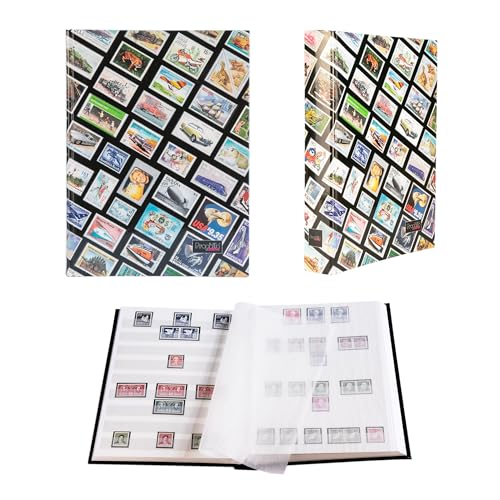
Stamps should be stored in acid-free albums or sleeves to avoid degradation. Exposure to light, humidity, and temperature fluctuations can significantly harm stamps. For instance, a collector may display rare stamps in direct sunlight, leading to fading and loss of value. Instead, using UV-filtering glass for displays can help protect stamps from harmful rays.
People Also Look For:
Additionally, it is essential to handle stamps correctly. Always hold stamps by the edges to avoid fingerprints and oils from your skin. Using gloves can further prevent damage during handling. This 2026, adopting best practices for storage and handling will ensure your collection remains in pristine condition for years to come.
Networking and Community Involvement
Many collectors fail to recognize the power of networking and community involvement. In 2026, the internet has transformed the way collectors interact. Online platforms, social media groups, and local clubs provide opportunities to connect with fellow enthusiasts.
By engaging with the community, collectors can share insights, trade stamps, and even discover local events such as stamp shows and exhibitions. Attending these events can expose collectors to rare stamps and unique finds. Moreover, networking can lead to mentorship opportunities where seasoned collectors share their expertise.
For example, a new collector might attend a local stamp show in 2026 and meet a veteran collector who shares tips on valuing stamps or introduces them to exclusive collections. Building relationships within the community can enhance both knowledge and enjoyment of the hobby.
Financial Considerations and Budgeting
Financial missteps are also prevalent among stamp collectors. In 2026, it is crucial to establish a budget before diving into purchases. Many collectors, driven by enthusiasm, may overspend on stamps that do not fit within their financial means. This can lead to buyer's remorse and financial strain.
Creating a budget helps prioritize which stamps to acquire based on personal interests and market value. Collectors should also be aware of potential market fluctuations. For instance, a stamp that is highly sought after today may not hold its value in the future. Keeping abreast of market trends will aid collectors in making informed decisions.
Furthermore, collectors should consider the costs associated with maintaining their collections, including storage solutions, insurance, and participation in events. Allocating funds for these aspects ensures a sustainable collecting experience.
Documentation and Record Keeping
Another mistake that can significantly impact a collection is inadequate documentation and record keeping. In 2026, it is essential to maintain detailed records of each stamp, including its provenance, purchase price, and condition. This practice not only aids in valuation but also assists in insurance purposes.
Utilizing a spreadsheet or dedicated software can streamline the documentation process. Some collectors might choose to include photographs of their stamps, providing additional context and aiding in identification. This approach is especially beneficial when dealing with rare or high-value stamps.
Moreover, documenting interactions with other collectors, such as trades or purchases, can enhance the overall collecting experience. This 2026, ensuring meticulous records will provide clarity and confidence when managing your stamp collection.
Embracing Technology in Collecting
Finally, a common oversight among collectors is failing to embrace technology. In 2026, technology plays a pivotal role in how collectors engage with their hobby. From online marketplaces to mobile applications for inventory management, leveraging these tools can significantly improve the collecting experience.
For instance, using apps to track collections can simplify inventory management and help identify gaps in your collection. Online platforms also provide access to a broader market, allowing collectors to buy and sell stamps with ease. This can lead to discovering unique pieces that may not be available locally.
As technology continues to evolve, staying updated on new tools and resources will ultimately enhance the collecting journey. By integrating these advancements, collectors can maximize their potential and enjoy their hobby more fully. As we move through 2026, it is essential to remain open to innovation in the world of stamp collecting.