Best Practices for Storing Your Stamp Collection Safely
In 2026, safeguarding your stamp collection is more crucial than ever. As the world becomes increasingly digital, the value of physical collectibles like stamps continues to rise. Collectors must adopt best practices to preserve their collections for future generations. This article outlines essential strategies for storing your stamps safely, ensuring they maintain their condition and value.
Understanding the Importance of Proper Storage
Stamp collecting is not just a hobby; it is an investment. In 2026, stamp values have soared due to increased interest in tangible assets. Proper storage prevents damage from environmental factors, handling, and pests. Stamps are susceptible to fading, bending, and tearing. Therefore, understanding the significance of appropriate care and protection is paramount for any collector.
For example, consider a rare stamp that has appreciated significantly in value. If not stored correctly, exposure to sunlight could lead to fading, diminishing its worth. Similarly, moisture can cause mold growth or paper deterioration. Thus, adopting best practices for storage will help maintain the integrity of your collection.
Choosing the Right Storage Materials
When it comes to storing your stamp collection, selecting the right materials is essential. In 2026, collectors have access to a variety of storage options that cater to different needs. High-quality materials can help protect stamps from physical damage and environmental factors.
Stamp Albums and Stock Books
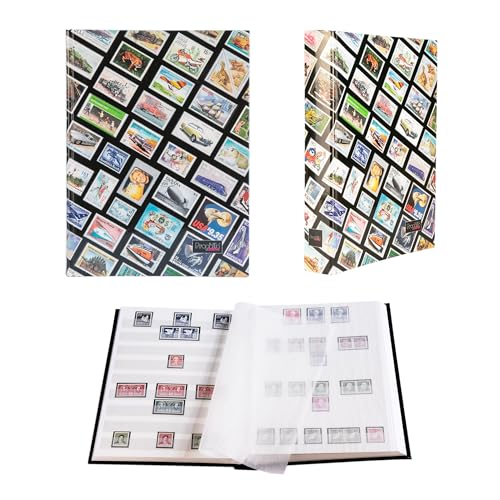
Stamp albums and stock books are popular choices among collectors. These products are designed specifically for storing stamps and often include protective sleeves or pockets. Look for albums made of acid-free materials to prevent chemical reactions that could harm your stamps. In 2026, many manufacturers have improved their offerings, providing enhanced protection against light and dust.
People Also Look For:
Individual Storage Options
For collectors who prefer to store their stamps individually, there are several options available. Plastic sleeves, envelopes, and mounts are excellent choices. Ensure these materials are archival-quality and free from harmful chemicals. For instance, polyethylene and mylar sleeves are ideal for long-term storage, as they are inert and will not react with the stamps.
Optimal Environmental Conditions
Environmental factors play a significant role in the preservation of stamps. In 2026, collectors must be aware of how temperature and humidity can affect their collections. Ideal storage conditions include a consistent temperature of around 70 degrees Fahrenheit and humidity levels between 40 and 50 percent.
Using a hygrometer can help monitor humidity levels in your storage area. If your environment is too humid, consider using dehumidifiers or silica gel packets to absorb excess moisture. Conversely, if the air is too dry, a humidifier can help maintain balance. Storing your collection in a climate-controlled environment will significantly reduce the risk of damage.
Organizing Your Collection Effectively
Effective organization is vital for any stamp collection. In 2026, collectors should implement a systematic approach to managing their stamps. Organization not only aids in preservation but also makes it easier to locate specific items when needed.
Cataloging Your Stamps
Creating a catalog of your collection can provide valuable insights into its contents. Consider documenting details such as the stamp's origin, age, and condition. This information is crucial, especially if you plan to sell or insure your collection in the future.
- Use spreadsheet software or specialized cataloging apps to keep track of your stamps.
- Include images of each stamp to enhance your records.
- Regularly update your catalog as you acquire new stamps.
Grouping by Themes or Categories
Organizing your stamps by themes or categories can make your collection more enjoyable to browse. This method allows you to appreciate the diversity of your stamps and can also facilitate better storage practices. For example, you might group stamps by country, era, or subject matter. This 2026 approach not only keeps your collection tidy but also enhances your overall collecting experience.
Protecting Against Pests
Pests can pose a significant threat to stamp collections. In 2026, collectors must remain vigilant against insects and rodents that can cause irreversible damage. Implementing preventive measures is essential for safeguarding your collection.
- Inspect your storage area regularly for signs of pests.
- Keep your collection in a clean, dry environment.
- Consider using pest deterrents, such as cedar blocks or essential oils, which are safe for stamps.
By taking these precautions, you can minimize the risk of pest infestations that can lead to the destruction of your valuable stamps.
Regular Maintenance and Inspection
Regular maintenance is crucial for ensuring the longevity of your stamp collection. In 2026, collectors should schedule periodic inspections to assess the condition of their stamps and storage materials. Examine each stamp for signs of damage, such as discoloration or tears, and address any issues promptly.
Additionally, consider cleaning your storage materials to remove dust and debris. Avoid using harsh chemicals that could damage your stamps. Instead, use a soft brush or microfiber cloth to gently clean surfaces. Keeping your storage area organized and clean will contribute to the overall health of your collection.
Conclusion
In 2026, the best practices for storing stamp collections emphasize the importance of proper materials, environmental conditions, and regular maintenance. By adopting these strategies, collectors can ensure their stamp collections remain valuable and well-preserved for years to come. As you explore the world of stamp collecting, remember that the right care can significantly enhance your experience and investment.